Earning a Glider Pilot Certificate (GPC) is a monumental milestone. However, the GPC soaring syllabus is only a brief introduction. The GPC got pilots out of the circuit, but it did not tell pilots how to go fast, or how to keep their heads when the day turns sour 60km from home. Bridging the gap between early cross-country soaring and high-performance cross-country flying requires clear, structured training pathways.
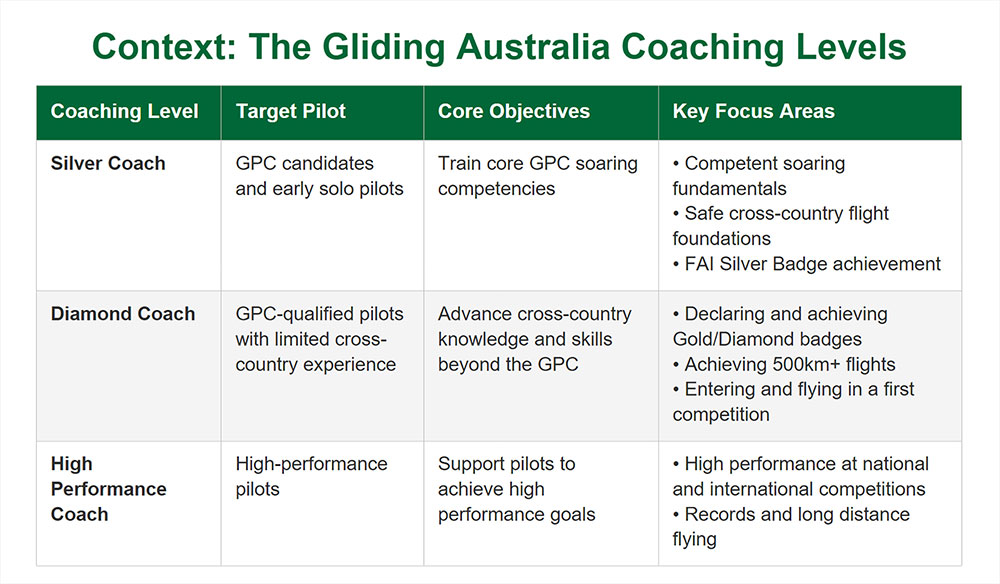
To meet this need, the Soaring Development Panel has released the Advanced Thermal Soaring (ATS) Syllabus (Document SDP060). The syllabus is aimed squarely at pilots who hold a GPC but have limited cross-country experience,. It carries them through to gold and diamond badge flying, and into their first competition.
The ATS syllabus provides club Diamond coaches with trainer guides and theory lesson presentation slides designed to take Australian soaring pilots to the next level.
The Unit 2 ‘Task Flying’ Trainer Guide doubles as a guide to running a structured coaching flight: short triangular tasks of a couple of hours, one new idea at a time, a structured debrief every time. This guide is also recommended reading for Silver Coaches.
Unlocking the Invisible Currents: The Seven Units
The ATS syllabus breaks advanced cross-country soaring into seven highly structured, digestible blocks:
Unit 1 – Mental Performance: Focuses on decision-making, setting process-based goals and managing stress
Unit 2 – Task Flying: Establishes cockpit workload discipline by breaking flights down into distinct phases – from pre-start planning to final glide
Unit 3 – Speed Flying Theory: Demystifying polar curves and MacCready theory to optimise block cruise speeds
Unit 4 – Cruising and Thermal Selection: Introduces systematic techniques to sample, accept or reject thermals based on a structured climb threshold
Unit 5 – Track Selection: Trains pilots to compare the waypoint with en-route energy lines. Where to fly, how to find the next thermal and when deviating pays
Unit 6 – Final Glides: Balances speed flying efficiency with strict safety discipline to prevent high-risk, low arrivals
Unit 7 – Introduction to Competitions: Covers rules, scoring logistics and the specific airborne hazards of crowded pre-start gaggles and simultaneous straight-in finishes
Driving Speed Through Rate of Climb
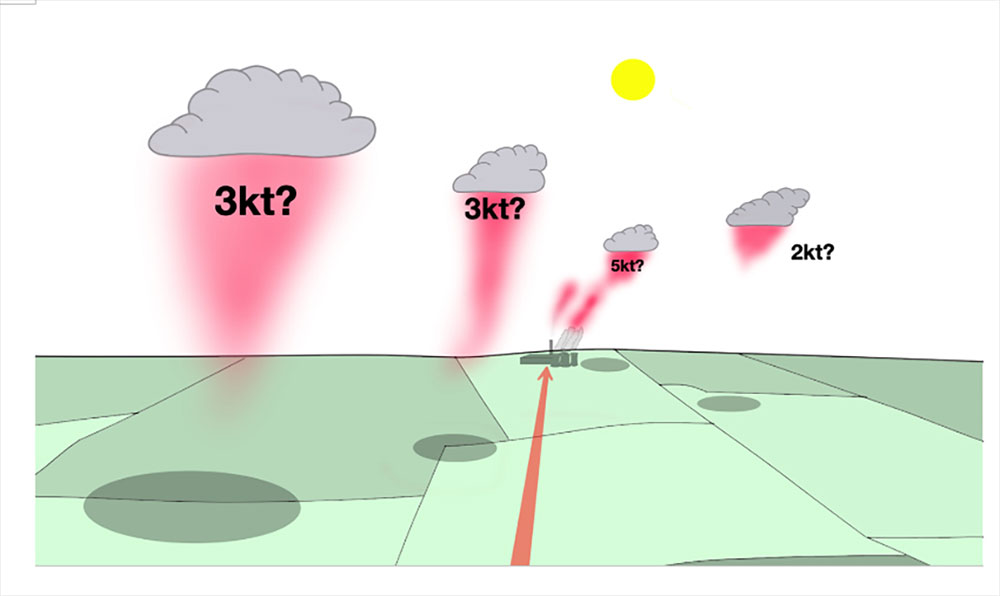
A core educational thread running through the entire syllabus is a truth well-known to experienced distance pilots: if you want to fly fast, you have to climb fast. As the material points out, when a glider is circling, it is essentially stationary relative to the airmass.
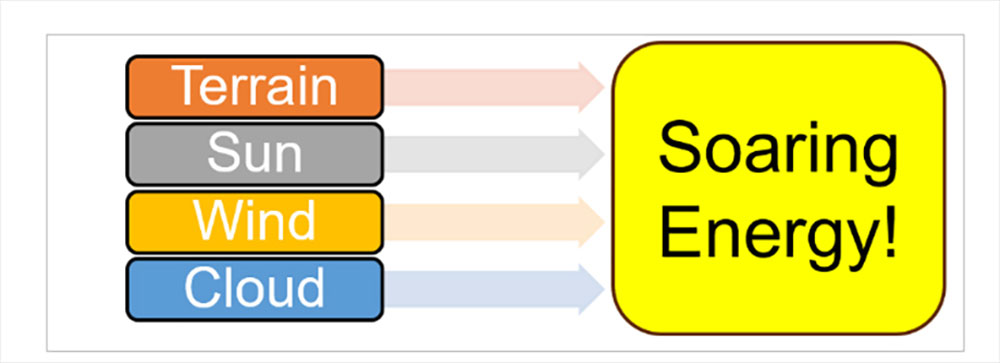
The syllabus teaches pilots how to actively look ahead to project energy lines using a repeatable checklist: Terrain + Sun + Wind + Cloud = Energy
Rather than trying to optimise inter-thermal cruise speeds down to the knot, the ATS materials prove that selecting high-yielding thermals and centring them quickly is the single most effective way to increase cross-country speed. Track selection and energy lines play a big part in achieving this.
Safety-First Final Glides
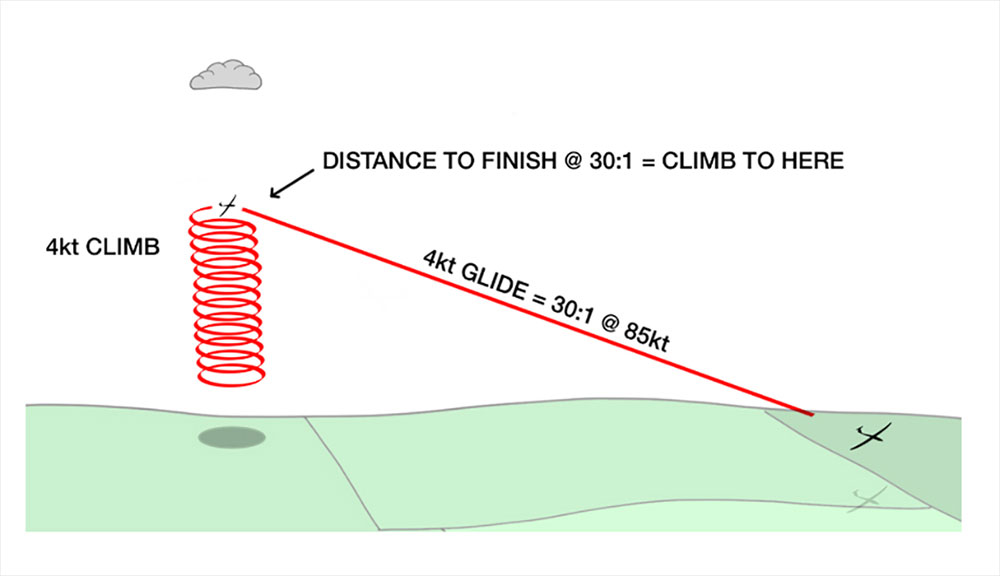
Unit 6 tackles one of the most high-pressure phases of flight: the final glide. The syllabus balances MacCready efficiency with strict safety discipline, instructing pilots to configure their flight computers correctly and with an explicit safety height margin – allowing an extra 500 to 750 feet in Australian conditions on top of a standard circuit height.
The message to pilots is absolute: you are not on a final glide unless you preserve both your safety height and speed. If sustained sink erodes that margin, pilots must immediately drop back into standard ‘soar or land out’ routines well before reaching the critical 10km boundary from the airfield. The psychological danger of tunnel vision at the end of a long flight is highlighted. Pilots who have been cruising at high speeds for hours can easily forget essential landing checklists and not safely transition from a soaring pilot to a landing pilot, particularly in a competition environment. The flight isn’t over until you are safely on the ground.
From Soaring to Racing: Your Gateway to the Grid
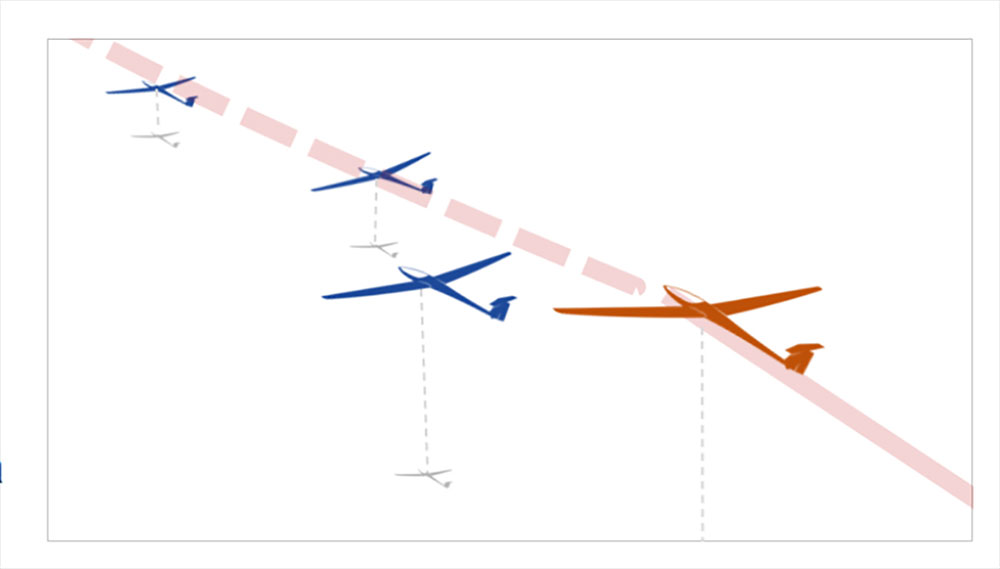
The final building block of the syllabus is Unit 7 ‘Introduction to Competitions’. For pilots looking to transition from distance flying to racing, this unit provides a crucial foundation in competition logistics, rules and scoring structures. More importantly, it directly addresses safety in high-stress racing environments, covering gaggle flying etiquette, energy management, and straight-in approach procedures.
Completion of this specific training unit will be a mandatory requirement for all new pilots entering their first large competition, ensuring everyone on the grid possesses a verified baseline of safety and situational awareness before hitting the start line.
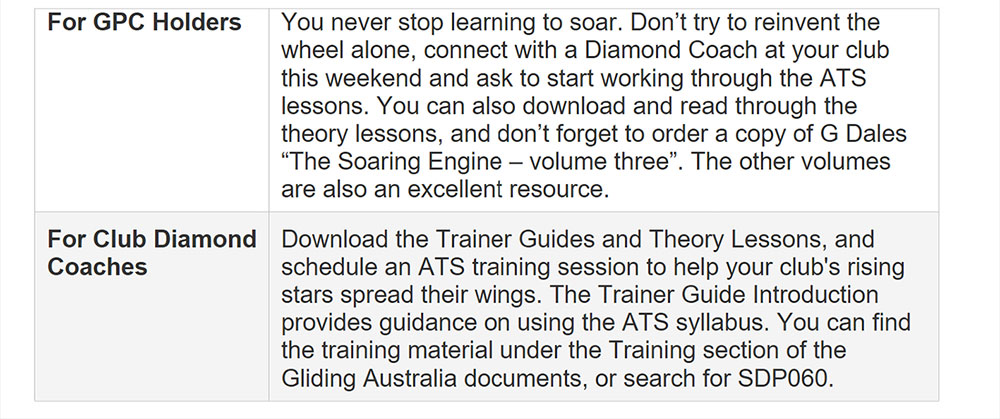
Action Items for the Weekend
The strength of Australian gliding has always been our community and our shared wealth of knowledge. With this new syllabus we have a uniform toolkit to build the next generation of distance and competition pilots.
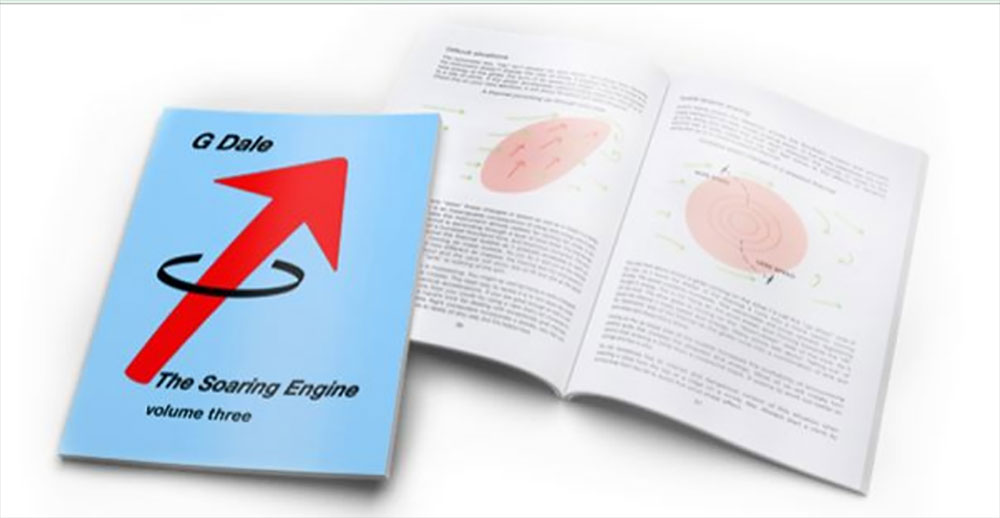
Grounded in ‘The Soaring Engine’
The development of the ATS syllabus was completed with extensive assistance from world-renowned coach G Dale. The core curriculum draws heavily from his highly acclaimed book series, The Soaring Engine, using Volume Three as the standard reference throughout.
Volume Three focuses specifically on ‘the inner game’ – teaching pilots how to make the right tactical decisions to fly fast and reliably in all weather conditions. Written to be both entertaining and accessible, the books lay out one major concept per page with a backing diagram. All coaches and soaring pilots are highly encouraged to add these volumes to their collection, which are readily available from online soaring retailers.